Gun violence in the U.S. is out of control. Some blame the guns themselves. Others blame shooters’ mental illness.
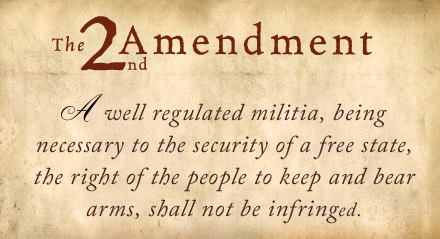
The solutions we’ve tried haven’t worked, and the gun debate has decayed into a noisy fusillade of political trigger words on both sides. The second amendment of the Bill of Rights reads: “A well regulated Militia, being necessary to the security of a free State, the right of the people to keep and bear Arms, shall not be infringed.” One side focuses on the “right of the people to keep and bear arms” portion of the amendment, while the other side prefers to emphasize the “well-regulated militia” portion. A common sense solution would require taking the entire second amendment into account.
I’m not a gun control fanatic. I grew up in a rural area where almost everyone owned and used guns. In those days, many of my classmates kept rifles or shotguns in the pickups they drove to school. When responsible people use them responsibly, guns, like cars, can be useful and even enjoyable tools. But when they are used irresponsibly or unlawfully, both can be deadly tools for tragedy.
We need to regulate the use of firearms as we regulate the use of motor vehicles. This isn’t an original idea, but it makes a lot of sense.
Most responsible firearms owners, like responsible drivers, recognize that all of us benefit when we follow commonsense rules established by state governments within a reasonable set of federal parameters to ensure consistency from state to state.
First, gun owners, like drivers, should be of an age when they can reasonably be expected to use good judgment, probably between sixteen and eighteen years of age. Prospective gun owners should undergo national or international background checks to ascertain whether they have criminal backgrounds or histories of mental illness that could pose dangers to themselves or others. Current loopholes in background check regulations should be closed.
Second, gun users should undergo instruction by certified teachers in the safe and responsible use of firearms, and at the conclusion of their instruction, they should be required to earn passing scores on written and performance exams in order to merit licenses for using firearms. There should be different classes of licenses for different types of firearms, just as there are different licensing requirements for driving cars and commercial trucks. The more powerful the firearm, the stricter the licensing requirements.
Third, firearms should be registered like motor vehicles. Like motor vehicle owners, gun owners should be required to have liability insurance to cover any accidental firearm damage to persons or property. Purposeful harm done using firearms would continue to be dealt with in the criminal justice system, just as vehicular manslaughter, for example, is handled in criminal courts. Firearm licensing and registration fees could be used to help finance gun safety training and licensing programs.
Most responsible gun owners–hunters, target shooters, and even those who own guns for self-defense, would recognize that these commonsense firearm policies would provide a balance between their constitutional right to own firearms and the safety and wellbeing of society. They would have nothing to fear from submitting to background checks or from registering their firearms.
Some would counter with the old slippery slope argument claiming that once guns are registered, the government will come and take them away. No one in government at any level has made such a proposal. Citizens would never stand for it, and it would be too expensive and impractical ever to enact. In short: nobody is coming for anybody’s guns.
Some might bring out the “when guns are outlawed, only outlaws will have guns” argument. This is tantamount to saying that society should never establish any law that someone might break. Again, absurd.
Even if all currently owned firearms were “grandfathered” out of complying with the regulations proposed here, applying them to firearms purchased in the future would be progress toward the eventual establishment of rational gun laws in the U.S.
 Ruminations